Africa Carbon Market Insights
In-depth analysis on Africa's carbon policy, project pipeline, and market developments.
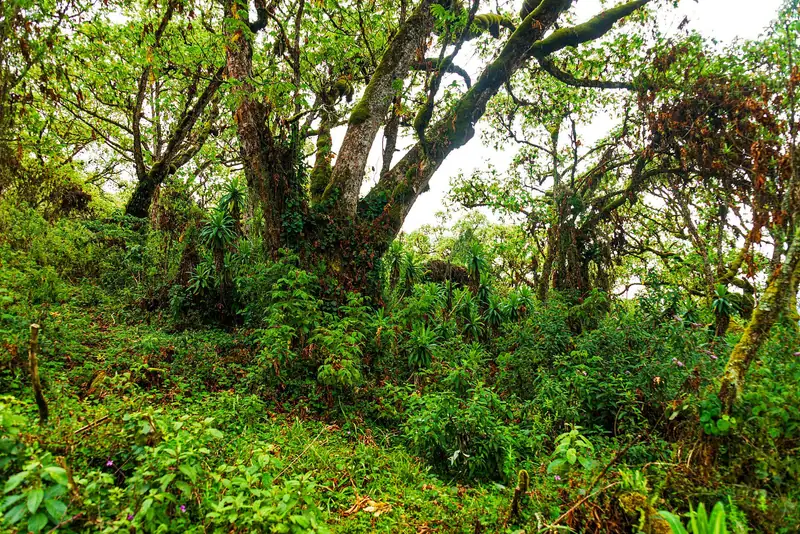
Africa's Voluntary Carbon Market Reaches Record $4.2B in Transaction Volume
New data from Ecosystem Marketplace confirms Africa has overtaken Latin America as the fastest-growing voluntary carbon credit supplier, with nature-based carbon credits and blue carbon leading demand.
Read article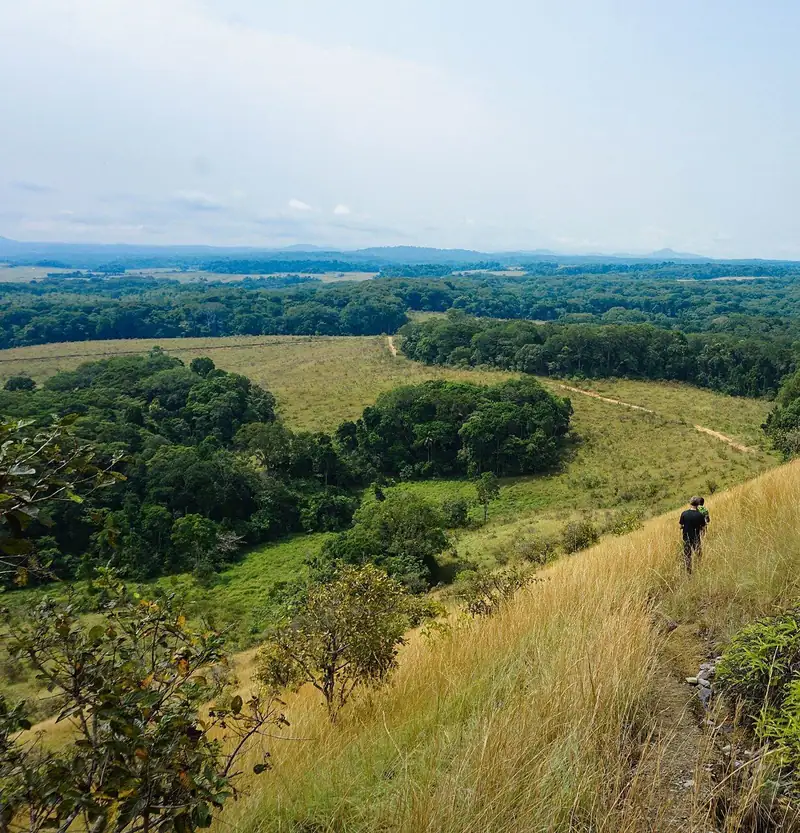
Article 6 Bilateral Agreements: Which African Nations Are Moving First?
Kenya, Ghana, and Gabon are leading the continent in signing Article 6.2 bilateral agreements, unlocking sovereign-level carbon credit exports under the Paris Agreement.
Read article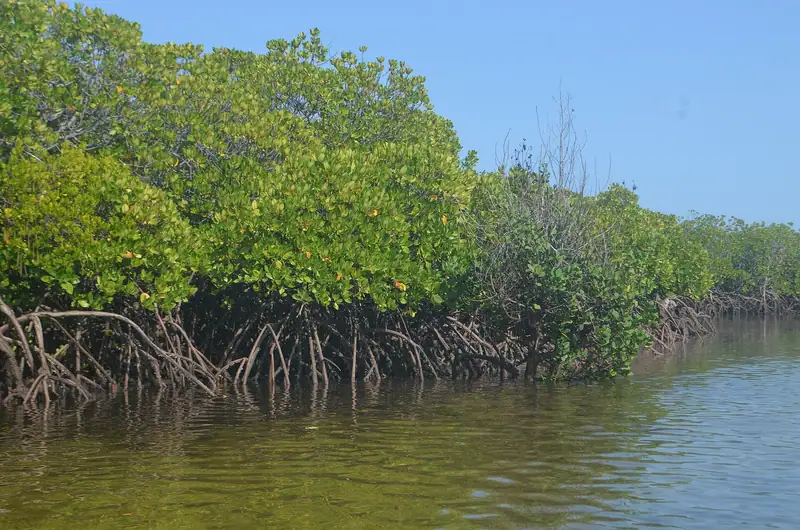
Blue Carbon Revisited: Why African Mangroves Are the World's Most Valuable Carbon Asset
A landmark study in Nature Climate Change confirms that East African mangroves sequester up to 1,000 tonnes of CO₂ per hectare — redefining the economics of coastal restoration.
Read article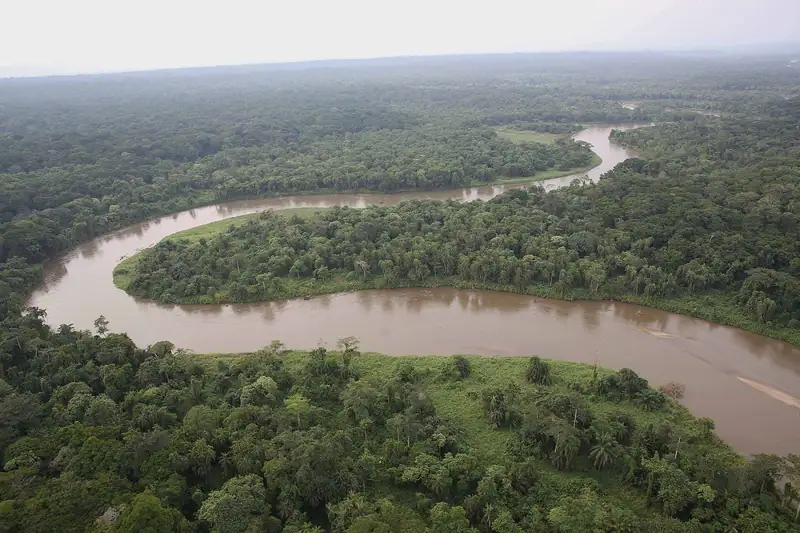
How REDD+ Works: Forest Protection and Carbon Credits in Africa
A plain-language guide to REDD+, the framework behind most forest protection carbon credits in Africa, and how baselines, leakage and permanence determine credit quality.
Read article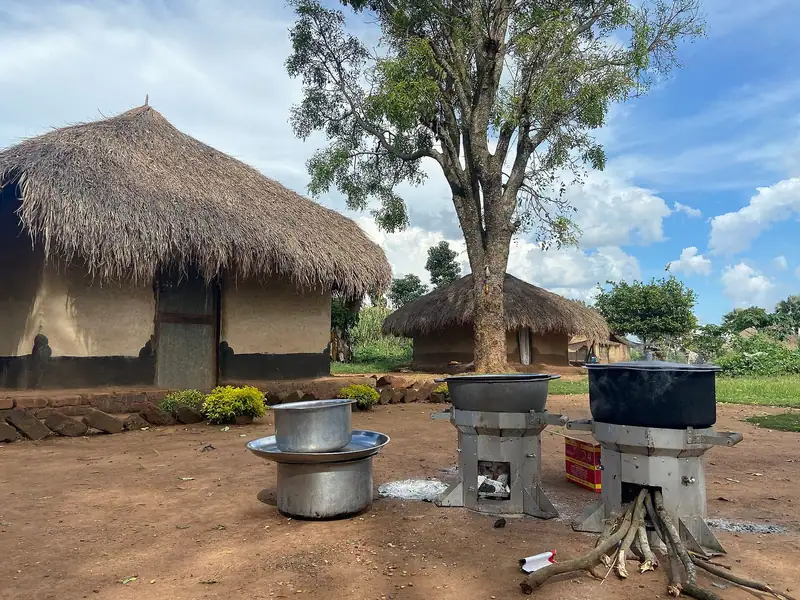
Clean Cooking Carbon Credits in Africa: How Cookstove Projects Earn Credits
How clean cooking projects earn carbon credits, and how baselines, fuel-savings estimates and stove-use monitoring determine what a cookstove credit is worth.
Read article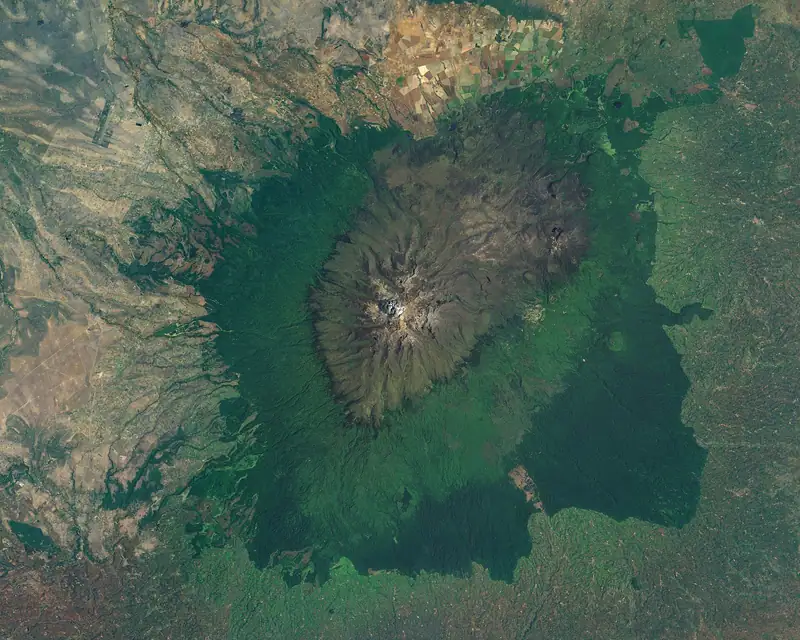
Carbon Credit Registries in Africa: How Credits Are Issued, Tracked and Retired
How carbon registries record, track and retire credits, which registries African projects use, and the checks buyers should run on serial numbers and ownership history.
Read article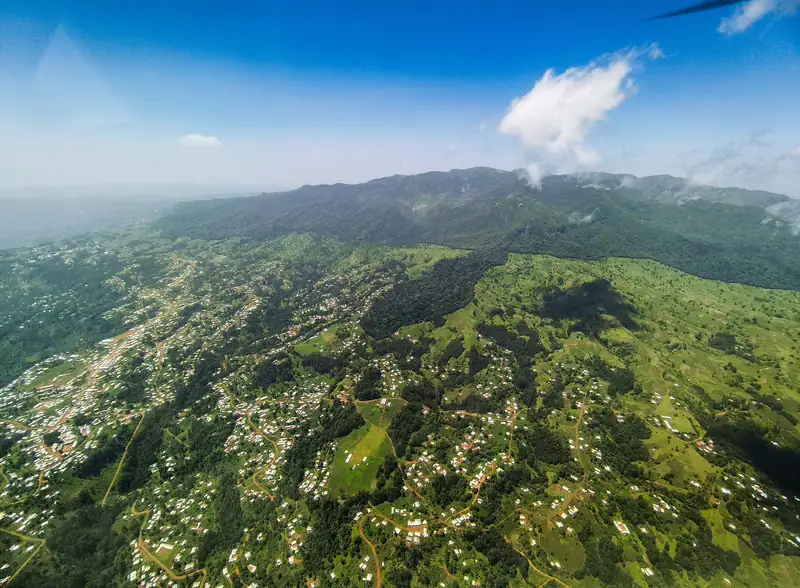
Community Benefit Sharing in African Carbon Projects: What Fair Looks Like
How carbon projects in Africa share revenue with the communities on whose land they operate, what free, prior and informed consent requires, and the questions buyers should ask about benefit-sharing terms.
Read article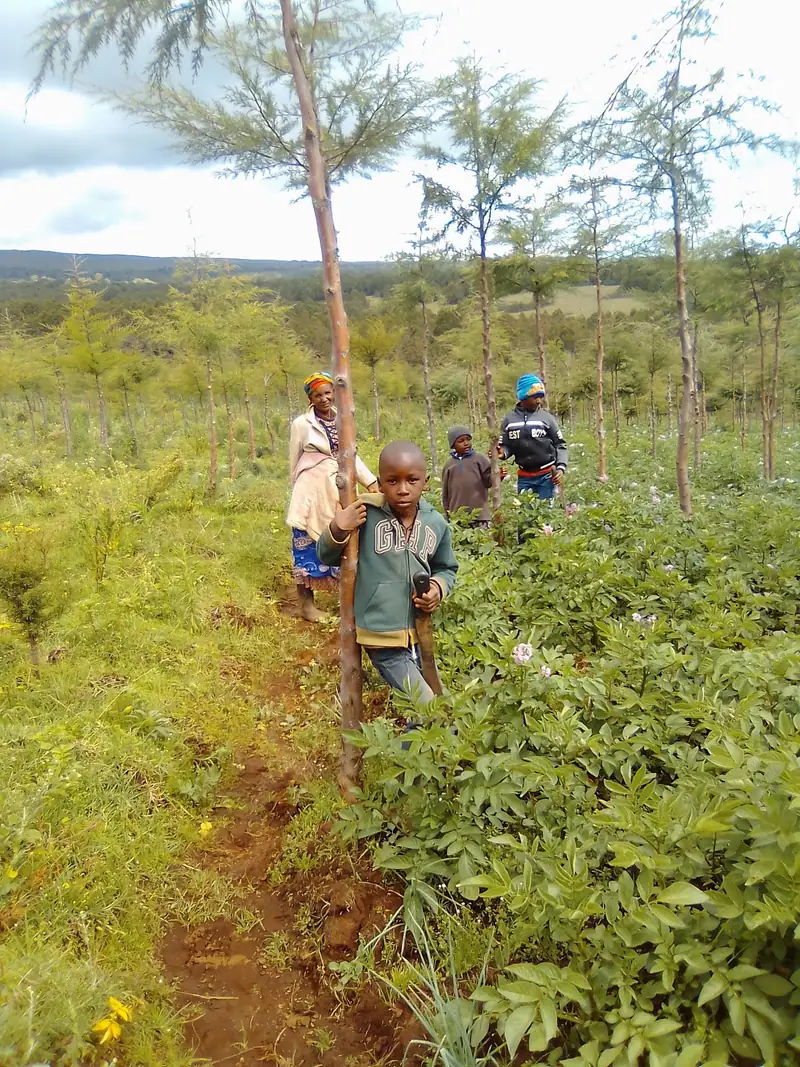
Agroforestry Carbon Credits for Smallholders: How Farm-Level Projects Are Measured
How carbon is counted in trees planted on African farms, why allometric equations and baselines decide the credit volume, and what buyers should ask about permanence, leakage and aggregation.
Read article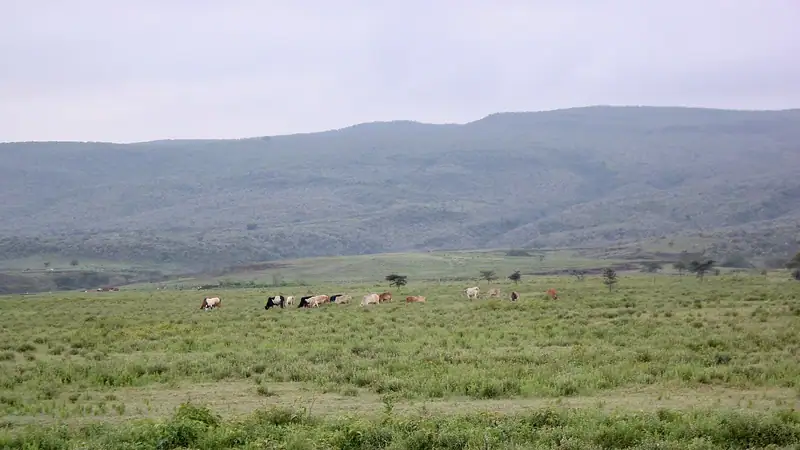
Rangeland and Savanna Carbon in Africa: What Can Be Credited and What Is Hard to Prove
Why savannas and rangelands attract little carbon finance, where the carbon sits, how grazing management and woody encroachment change the picture, and what buyers should ask about baselines, fire and pastoralist rights.
Read article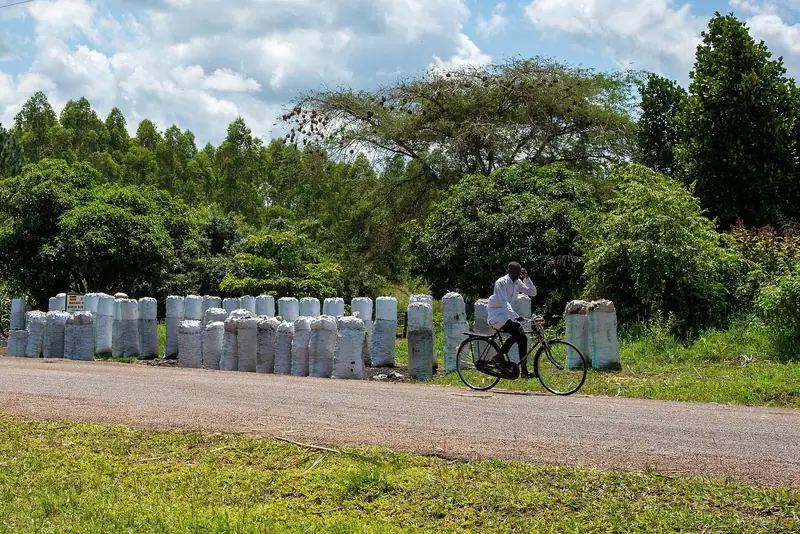
Deforestation in Africa: Where It Happens, What Drives It and What Can Change It
Where forest loss is concentrated in Africa, the main drivers from farming and charcoal to logging and weak land rights, and how REDD+ carbon finance fits alongside tenure, farming and energy measures.
Read article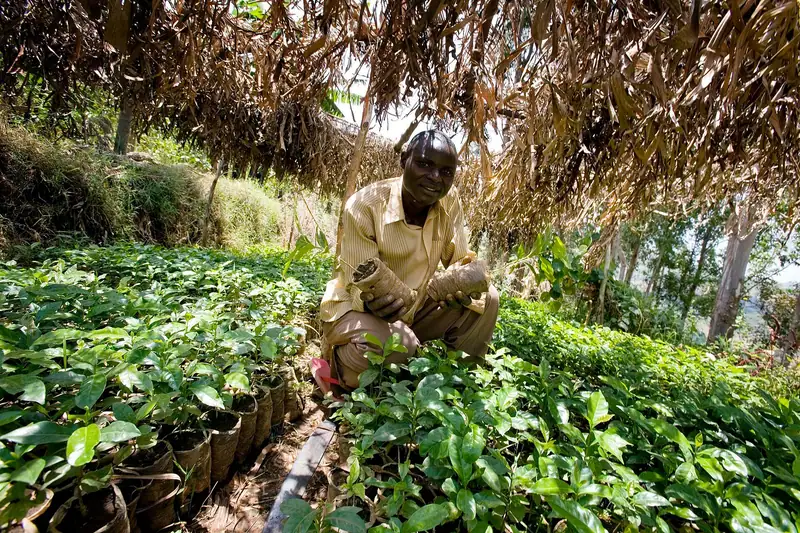
Removals vs Avoidance Carbon Credits in Africa: Why the Difference Matters
Avoidance credits pay for emissions that did not happen, while removal credits pay for carbon taken out of the air. How they differ, why durability and baselines matter, and what it means for African projects.
Read article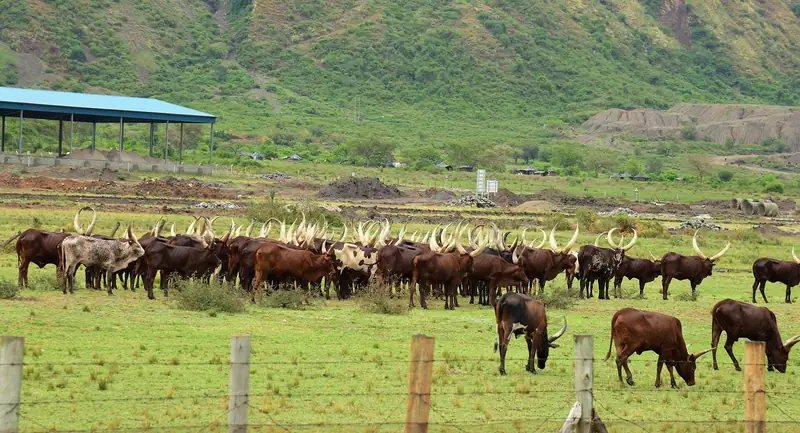
Soil Carbon Credits in Africa: Why Measurement Decides the Value
Soil holds some of the largest carbon stocks in African landscapes, but it is also the hardest pool to measure. How projects sample soil, what models can and cannot do, and what buyers should check.
Read article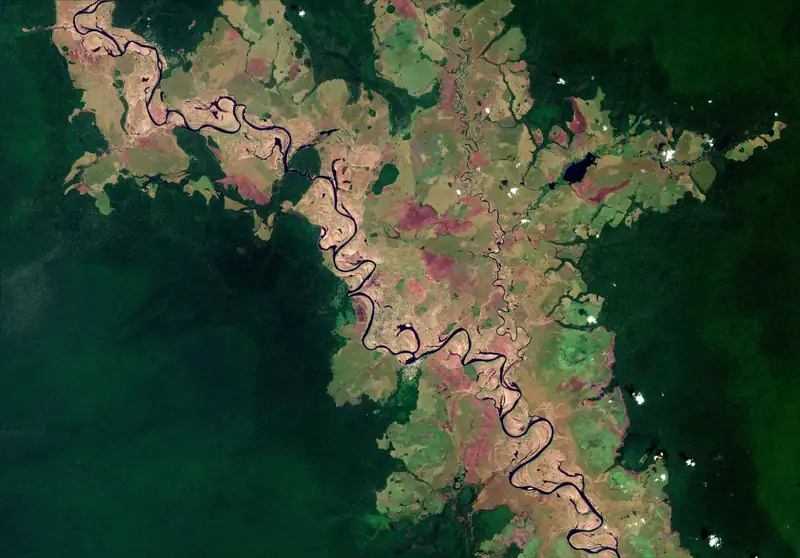
Congo Basin Peatlands: The Carbon Beneath the Swamp Forest
Peatlands in the central Congo Basin store carbon that builds up over thousands of years and is released quickly when drained or burned. How peat is measured, how carbon projects can account for it, and what buyers should check.
Read article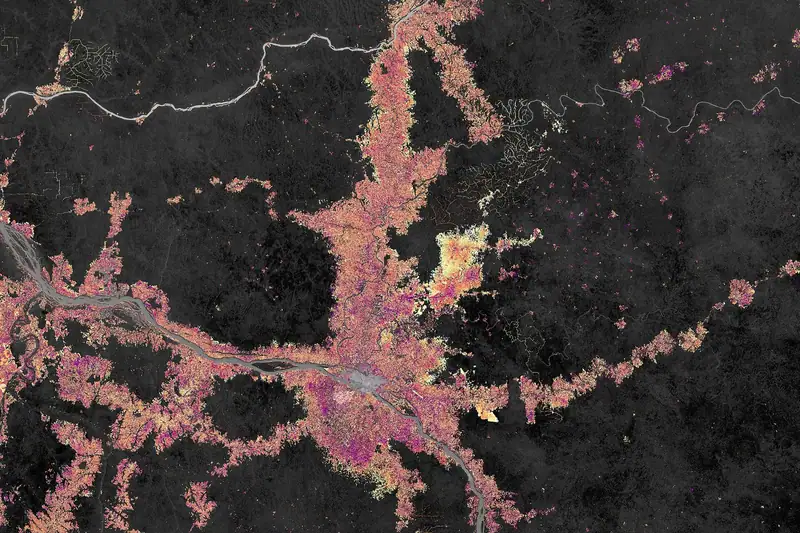
Carbon Credit Verification in Africa: How Projects Are Audited Before Credits Are Issued
How independent auditors validate and verify African carbon projects, what monitoring reports contain, and the questions buyers should ask before relying on a credit.
Read article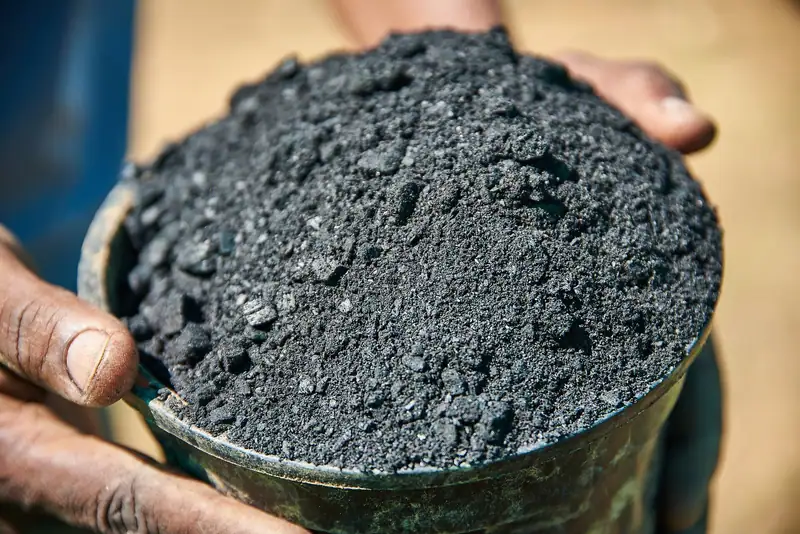
Biochar Carbon Credits in Africa: What Buyers Should Check
Biochar locks carbon into charcoal that is added to soil, and African farms and kilns are starting to supply it. How biochar credits are earned, why durability depends on how the charcoal is made, and what buyers should check.
Read article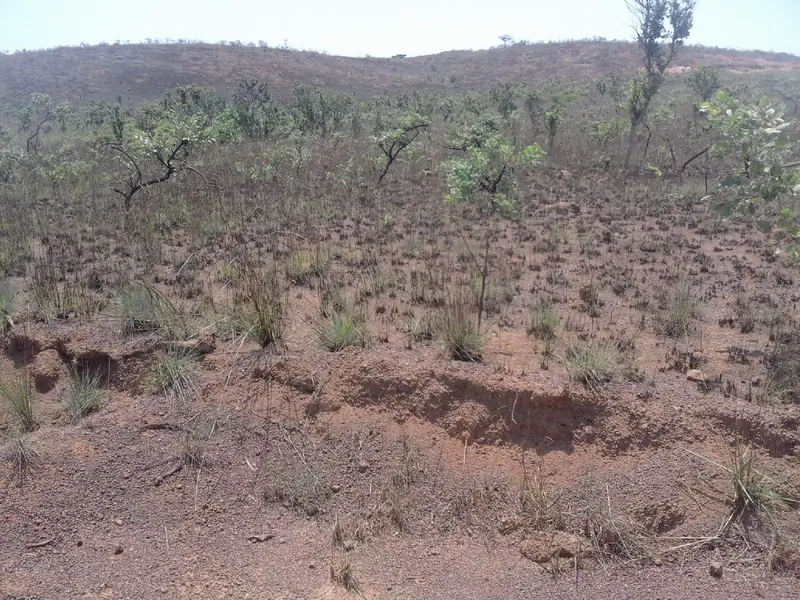
Red Flags in African Carbon Credit Offers: What to Check Before You Buy
A practical checklist for spotting weak or misleading carbon credit offers from African projects, from missing registry records and vague baselines to unsupported claims about co-benefits.
Read article
How to Read a Project Design Document Before You Buy African Carbon Credits
A plain-language guide to the project design document behind an African carbon credit, from the baseline and monitoring plan to leakage, buffers and community consultation.
Read articleScope 3 Emissions and African Carbon Credits: What Offsets Can and Cannot Do
Companies counting Scope 3 emissions often look to African carbon credits. This guide explains where offsets fit, where insetting fits, and why credits cannot replace cutting emissions along the value chain.
Read articleAdditionality and Baselines in African Carbon Credits: How to Judge Whether a Project Made a Difference
Additionality and the baseline decide whether a carbon credit represents a real climate gain. This guide explains both ideas with African examples and lists the questions to ask before you buy.
Read articleAviation Offsetting and African Carbon Credits: What CORSIA Requires
Airlines can use some carbon credits to meet CORSIA, the UN aviation offsetting scheme. This guide explains which units qualify, why host-country authorisation matters, and what African projects must show before their credits can be used.
Read articleThe Great Green Wall and African Carbon Credits: What Sahel Restoration Can and Cannot Fund
The Great Green Wall aims to restore degraded land across the Sahel. This guide explains how restoration projects in dryland Africa can generate carbon credits, why they are harder to verify than forest projects, and why land rights matter as much as tonnes.
Read articleWhat Drives the Price of an African Carbon Credit? A Buyer and Developer Guide
Two African carbon credits can sell at very different prices. This guide explains the main drivers: project type, vintage, delivery risk, quality evidence, co-benefits and host-country authorisation, and what a low price should prompt a buyer to ask.
Read articleArticle 6.4 and the Share of Proceeds: What African Carbon Projects Should Expect
The Paris Agreement's Article 6.4 mechanism is becoming a second route for internationally tradable credits. Its standards deduct a share of issued units before any sale, which changes how much a project can actually sell.
Read articleOfftake Agreements for African Carbon Projects: What to Negotiate Before Issuance
A forward offtake agreement commits a buyer to credits that do not exist yet. The contract, not the price, decides who carries the risk of delay, shortfall and reversal.
Read articleBuffer Pools and Reversal Risk in African Carbon Credits: How Projects Are Protected
Forests and soils can release stored carbon after a credit is issued. This guide explains how buffer pools, risk ratings and monitoring work, and what buyers should ask before relying on a credit.
Read articleOffset Claims and African Carbon Credits: What to Check Before Saying You Are Carbon Neutral
A company that buys African carbon credits still has to word its claim carefully. This guide explains the difference between contribution and neutrality claims, why the retirement record is the proof, and what to check before publishing.
Read articleLandfill Methane Carbon Credits in African Cities: What the Certificate Does Not Show
Capturing methane from a landfill can cut a powerful greenhouse gas, but the credit depends on local facts a certificate does not show: what the site really collects, what would have happened without the project, and who controls the waste.
Read articleTokenised Carbon Credits in Africa: A Token Is Not the Credit
Tokenised carbon credits promise easy trading, but a token is a claim on a registry record, not the carbon itself. This guide explains what buyers should check before paying for an African credit sold as a token.
Read articleCore Carbon Principles and African Carbon Credits: What the Label Does and Does Not Cover
The Core Carbon Principles label signals that a methodology meets integrity standards. For African projects it is a useful filter, but it applies to methodologies and programmes, not to every unit a project issues.
Read articleSolar and Off-Grid Energy Carbon Credits in Africa: What Is Being Counted
Off-grid solar projects can issue carbon credits for the fuel they displace. Their claim rests on emissions that do not happen, so the baseline and the number of working units matter more than the headline volume.
Read articleBiogas and Manure Carbon Credits in Africa: What Is Being Counted
Capturing methane from livestock manure can earn carbon credits, but the claim depends on what the manure would have done without the project and on whether the digester keeps running. Cooking fuel gains need separate accounting.
Read articleCarbon Rights and Land Tenure in African Carbon Projects: Who Holds the Claim
A carbon credit depends on who controls the land and the carbon it stores. Unclear tenure, unrecorded consent and overlapping claims can undermine a project that looks sound on paper.
Read articleWomen and African Carbon Projects: Who Does the Work and Who Gets the Benefit
Women carry much of the daily work behind cookstove, farm and forest carbon projects, yet they often hold little land and receive few of the payments. Here is how to check who benefits.
Read articlePlan Vivo and Community-Led Carbon Projects in Africa: What the Standard Certifies
Plan Vivo certifies nature-based projects led by communities and smallholders. For African buyers it gives a different kind of assurance from a registry record, and the two answer different questions.
Read articleEnhanced Rock Weathering in Africa: How Spread Rock Could Earn Carbon Credits, and What to Check
Spreading crushed rock on farmland can take carbon dioxide out of the air, and some projects now sell credits for it. This guide explains how the removal is measured, why it is harder to verify than a forest, and what buyers should check.
Read article
Get new articles in your inbox
New analysis on carbon market developments, sent when it is published.