Carbon Markets Across Africa
CO2.Africa is the continental hub for nature-based carbon finance in Africa. Explore dedicated platforms for each active market — country-level regulation, registered projects and development opportunities.
East Africa
Kenya
co2.ke
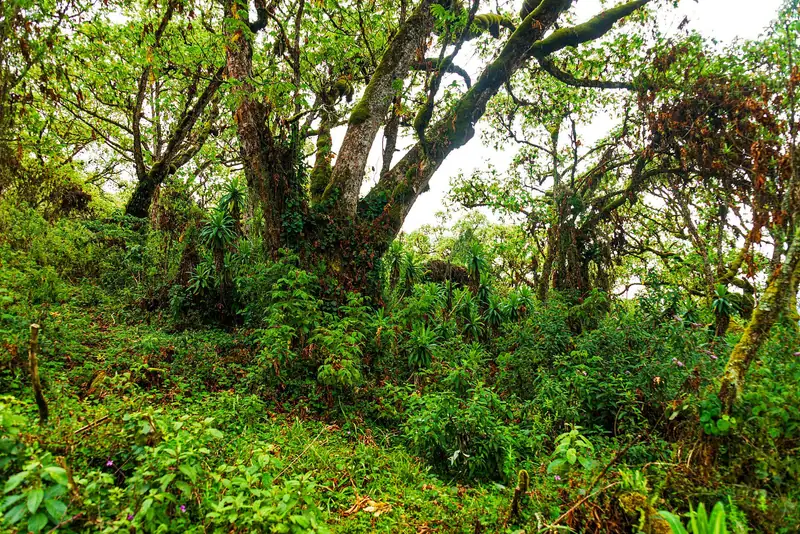
Montane forest on Mount Kenya, Kenya Kenya has one of the continent's most advanced national carbon-market frameworks, combining a national NDC registry, growing Article 6 bilateral agreements, and a strong pipeline of Verra-registered nature-based projects. The country is a leading destination for agroforestry and clean-cooking carbon project development.
Active projects
- Mount Kenya Regenerative Agroforestry (VCS 3321)
- Hongera Cookstove Projects (AMS-II.G)
East Africa
Uganda
co2.ug
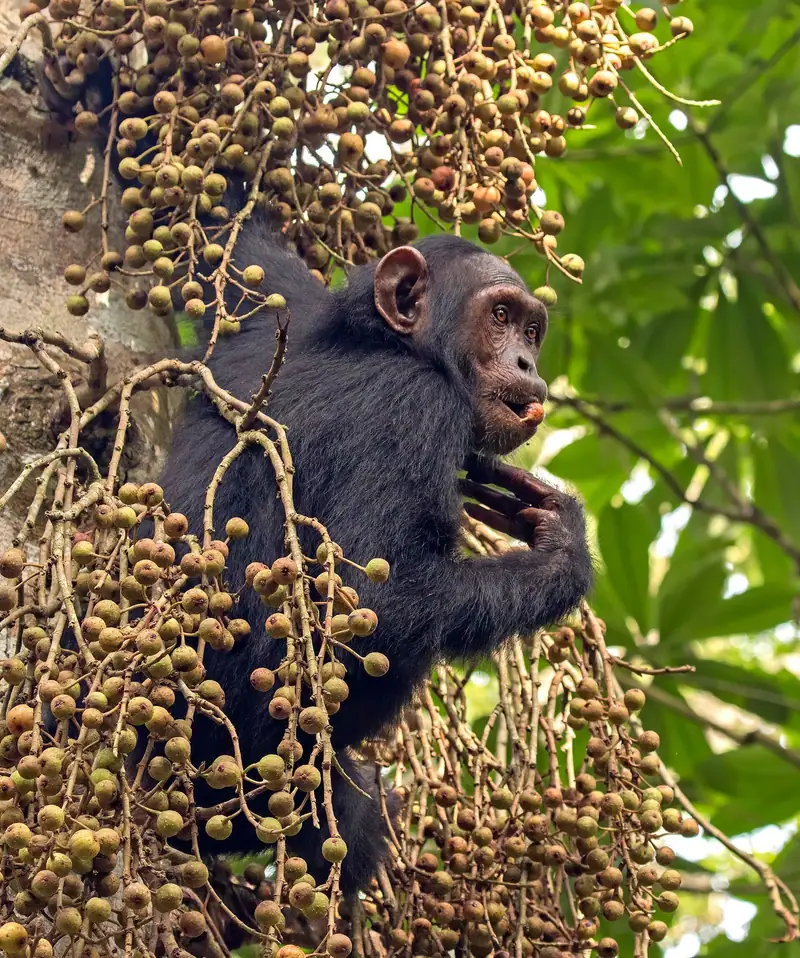
An eastern chimpanzee feeding on figs, Kibale National Park, Uganda Uganda's forests, wetlands and community-conservation areas hold significant carbon and biodiversity value. The Bulindi Chimpanzee Habitat Restoration project demonstrates how community-led conservation generates internationally verified carbon credits while protecting one of Africa's most endangered primate populations.
Active projects
- Bulindi Chimpanzee Habitat Restoration (VM0011 / Gold Standard)
Central Africa — Congo Basin
Cameroon
co2.cm
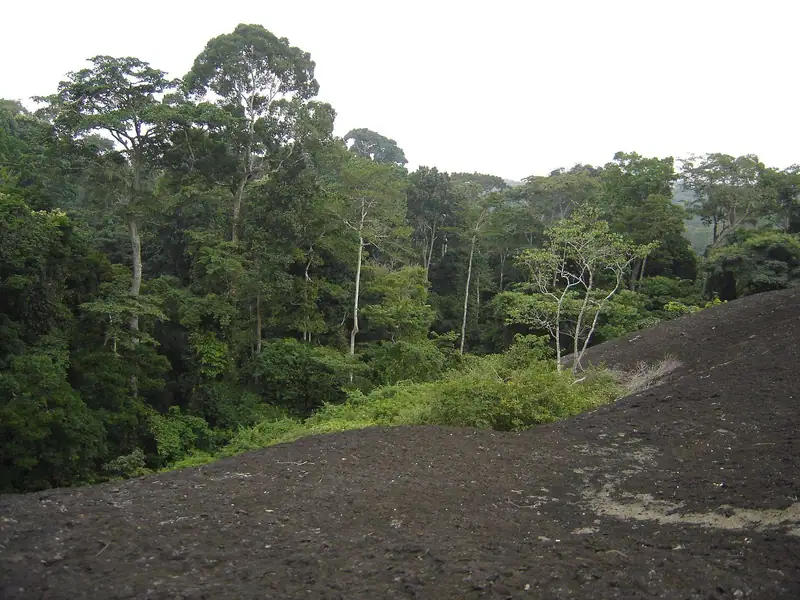
Rainforest in the Dja Faunal Reserve, Cameroon Cameroon sits at the heart of the Congo Basin, the world's second-largest tropical forest and one of the most important carbon sinks on the planet. CO2.cm is the French-language platform for carbon-project development, regulation and finance in Cameroon and the broader COMIFAC region.
Active projects
- Greenzone Congo Basin Reforestation (ARR / Verra VCS 4176)
East Africa
Tanzania
co2.africa/tz
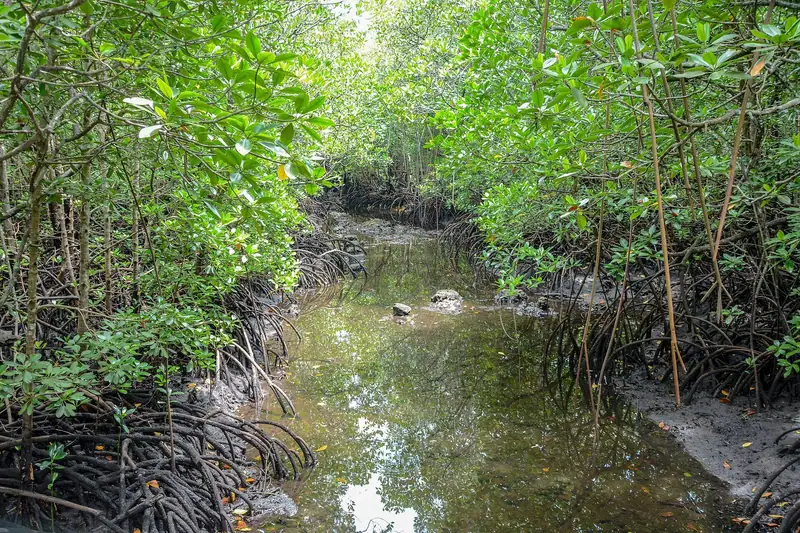
Mangrove forest on Zanzibar, Tanzania Tanzania's Selous–Mikumi ecosystem is one of Africa's largest protected area complexes, while the Mpingo Conservation Project — the continent's first community-owned FSC-certified forest generating carbon credits — demonstrates the country's community-first carbon market model. Tanzania has signed bilateral Article 6 agreements with Switzerland and Norway, and its growing pipeline of savannah, forest and Zanzibar blue carbon projects makes it one of East Africa's most dynamic emerging carbon markets.
Active projects
- Mpingo Conservation Project (Plan Vivo / FSC certified)
- Zanzibar Blue Carbon — seagrass and mangrove restoration
- Selous–Mikumi REDD+ Corridor (Verra VCS pipeline)
West Africa
Nigeria
co2.africa/ng
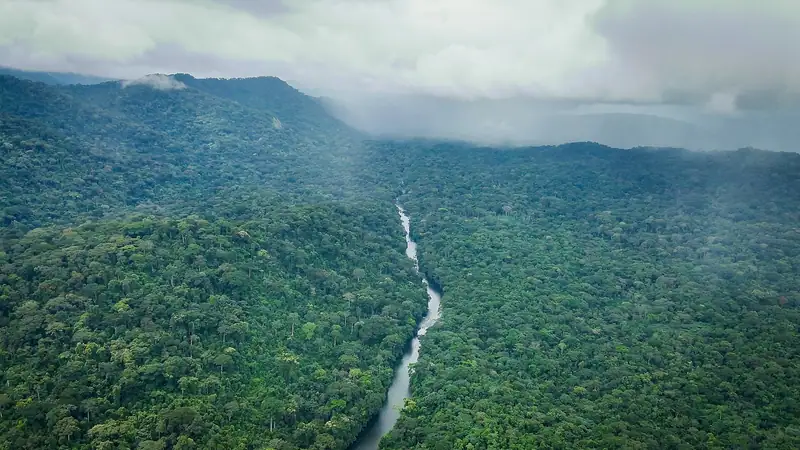
The Oyi River through the Okwangwo Division of Cross River National Park, Nigeria Nigeria is West Africa's largest economy and its fastest-growing voluntary carbon market. In 2026, Nigeria issued its first Article 6 Letter of Authorisation — to UpEnergy for 3.8 million tCO2e of CORSIA-eligible clean cooking credits — positioning the country as a key player in international carbon credit transfers. The Cross River State tropical rainforest and Niger Delta mangrove ecosystems anchor a growing nature-based carbon project pipeline.
Active projects
- Nigeria Clean Cooking — UpEnergy Article 6 LoA (3.8M tCO2e, CORSIA)
- Cross River State REDD+ (Verra VCS pipeline)
- Niger Delta Mangrove Restoration (blue carbon, feasibility)
Southern Africa
South Africa
co2.africa/za
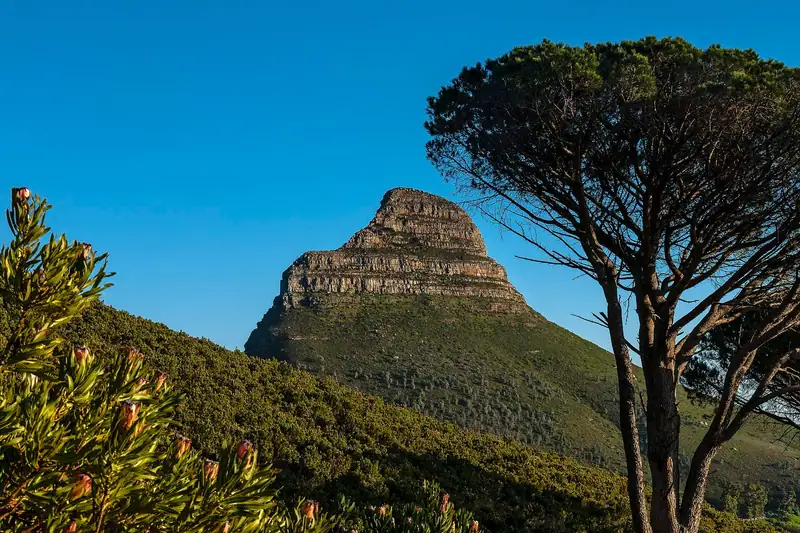
Fynbos below Lion's Head, Table Mountain, Cape Town South Africa operates one of Africa's only mandatory carbon tax systems, creating domestic compliance demand for offset credits alongside a growing voluntary market. The Cape Floristic Region — a UNESCO biodiversity hotspot unique to the Western Cape — is the focus of pioneering biodiversity credit projects. South Africa's Carbon Tax Act allows companies to use approved domestic carbon offsets to reduce their tax liability, creating a regulated market that overlaps with voluntary biodiversity credit development.
Active projects
- South African Fynbos Biodiversity Credits (BCA framework)
- Cape Winelands Carbon Offset Project (Verra VCS)
- KwaZulu-Natal Grassland and Forest REDD+ (pipeline)
More African markets
CO2.Africa is expanding to cover all 54 African nations. Platforms are in development for DRC, Ghana, Rwanda, Senegal, and other markets across the continent.