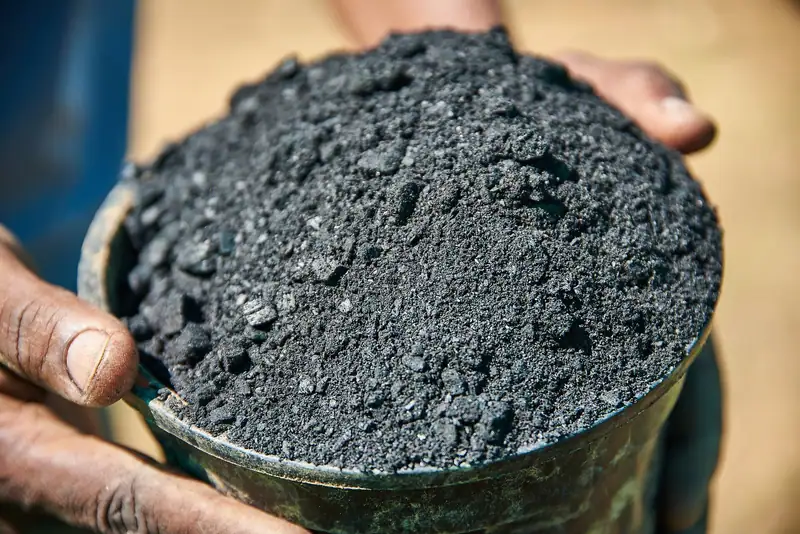
Biochar is charcoal made by heating biomass with little or no oxygen and mixing the result into soil. Much of the carbon in it resists breaking down, which makes biochar one of the few removal routes open to farmers and processors in Africa. It is also one of the easiest carbon claims to overstate. This explainer covers how biochar credits are earned, what determines how long the carbon stays stored, and what buyers should check before paying.
How a Biochar Credit Is Earned
Biochar production starts with biomass such as crop residues, wood waste or cleared invasive plants. The material is heated in a kiln with little or no oxygen, a process called pyrolysis, and the charcoal that remains is applied to soil. Carbon that was recently in the atmosphere is held in that charcoal. A credit reflects the carbon kept in the soil, minus the emissions from producing and transporting the biochar. The gross figure on its own overstates the benefit, so the deductions matter.
Durability Depends on How It Is Made
The stability of biochar carbon depends mainly on the temperature at which it was produced and on the ratio of hydrogen to carbon in the final charcoal. Charcoal made at higher temperatures usually has a lower hydrogen-to-carbon ratio and breaks down more slowly. Published durability ranges for biochar are wide, from a few hundred years to more than a thousand, and many of the sources quoting them are commercial. A single headline figure hides much of that uncertainty. Buyers should ask which production conditions were used and how the durability figure was derived.
Methodologies and Registries
Verra's VM0044 methodology covers biochar used in soil and other applications, and credits under it are issued as Verified Carbon Units. Puro.earth and Isometric are registries built around carbon removal, and both certify biochar projects under their own rules. The standard matters, because each one sets its own requirements for feedstock records, monitoring and how permanence is assessed. Our removals and avoidance explainer covers why removals are treated as a separate category from emission reductions.
Where African Projects Fit
Crop residues, wood waste and farm by-products are widely available across the continent, and many are burned or left to rot. That makes biochar attractive where feedstock is local and the kiln can be run safely. In Kenya, Terraton's EcoFix facility received its first carbon removal credits from Isometric, reported as the outcome of roughly fourteen months from investment decision to issuance. One issued project does not establish a market, but it shows the route is moving past pilots.
Monitoring and Evidence
Because the carbon sits in charcoal rather than in a standing forest, monitoring focuses on what was made and where it went: the quantity of biochar produced, feedstock records, the production temperature, the amount applied and the fields that received it. Whether the carbon stays stored is a separate question, answered with laboratory analysis of the charcoal or with a persistence model, or with both. Buyers should ask which of these supports the durability figure on their certificate.
Questions to Ask Before Buying
- Which standard and registry issued the credit, and is the project record public?
- What feedstock was used, and are the delivery records available?
- What production temperature was used, and how was the durability figure derived?
- How much biochar was applied, and where? Can the fields be identified?
- Is a buffer applied, and who is responsible if stored carbon is lost?
Why It Matters for Africa
Biochar can turn agricultural waste into a stable form of carbon and give farmers and processors a reason to keep materials out of open burning. Those benefits are real only where production is documented and the carbon can be traced to the soil. Careful buyers treat the durability figure as a claim to be tested, not a fact to be assumed.
Frequently Asked Questions
Is biochar a permanent removal?
Not automatically. Biochar can store carbon for a long time, but the period depends on how it was made and where it is used. Ask for the basis of the durability figure, and check whether the credit is backed by a buffer.
Is biochar the same as cooking charcoal?
No. Cooking charcoal is burned, which releases its carbon. Biochar is made to be added to soil, where its carbon is meant to stay stored. The same kind of material can end up in either use, so the purpose and the handling matter.
Does biochar improve soil?
It can, but the effect varies with soil type, feedstock and application rate. It is not a guaranteed benefit, so buyers should not treat soil improvement as part of the credit unless the project measures it.
Can small farms take part in biochar projects?
Some do, usually through a developer or cooperative that handles kiln operation, monitoring and registration. Land rights, feedstock access and who receives the revenue should be clear before a farmer joins.