Africa's Carbon
Future Starts Here.
Africa holds the world's most significant untapped potential for nature restoration and carbon finance. From the Congo Basin to the East African savanna, verified CO₂ credits transform degraded landscapes into internationally recognised environmental assets.
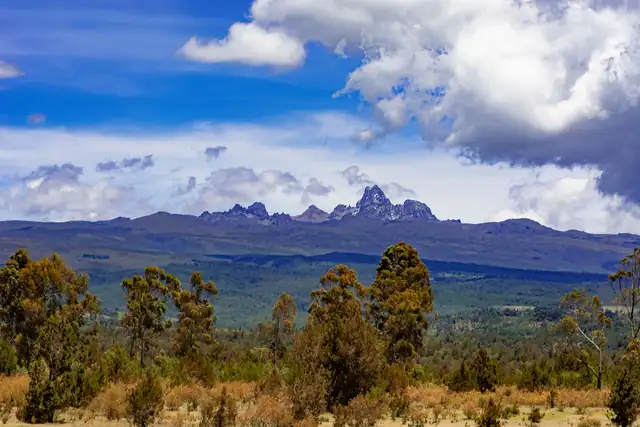
Mount Kenya seen from Meru County, Kenya
- Africa's carbon potential
- $200B+
- Total land area
- 4.7B ha
- World's tropical forests
- 30%
- Nations with Paris Agreement NDCs
- 54
What are CO₂ Credits?
A financial mechanism that makes large-scale nature restoration economically viable.
A carbon credit is a standardised financial instrument equivalent to the removal or sequestration of one tonne of CO₂ from the atmosphere. Companies and governments purchase these credits to meet their climate commitments, directly funding on-the-ground restoration across Africa.
Why It Matters
Carbon finance can provide an important long-term revenue mechanism for eligible nature-restoration projects across Africa. It transforms land from a passive resource into an active, income-generating environmental asset.
Land Identified
Degraded, deforested, or restorable ecosystems are mapped and assessed for restoration potential.
Project Registered
Independent bodies (Verra, Gold Standard) certify the ecological benefit against rigorous standards.
Credits Issued
Each verified tonne of CO₂ removed or sequestered becomes one tradeable carbon credit.
Revenue Returns
Proceeds flow back into restoration, local communities, and long-term regional development.
From Forest to Verified Credit.
A carbon credit begins with land. It ends with internationally verified, tradeable certificates of climate impact. Here's every step in between.
Land Assessment & Eligibility
A site visit and satellite analysis determine whether the land qualifies — assessing forest cover, deforestation pressure, carbon density, and tenure security. Most forest and grassland areas in Africa qualify.
4–8 weeksBaseline & Project Design
A scientific baseline establishes how much carbon the land currently stores, and how much it would lose without the project. This becomes the foundation of the Project Design Document (PDD) submitted to Verra or Gold Standard.
3–6 monthsIndependent Verification
An accredited third-party auditor validates the project methodology, carbon measurements, and community benefit structure. This independent verification is what gives the credits their market value.
6–12 monthsRegistry Registration & Credit Issuance
The verified project is listed on the Verra or Gold Standard public registry. Carbon credits — each representing one tonne of CO₂ — are issued as serial-numbered units that can be tracked, traded, and retired.
1–3 monthsSale & Community Revenue
Credits are sold to corporate buyers offsetting their emissions. Revenue flows directly to the project: covering operational costs, funding conservation activities, and distributing income to local landowners and communities.
Ongoing
Ready to explore a project on your land?
We assess eligibility at no cost. Most qualifying forest areas can be registered within 18–24 months.
Why Africa?
The continent with the greatest untapped natural carbon potential on Earth.
Congo Basin
The world's second largest rainforest stores more carbon per hectare than the Amazon. Protecting and restoring it is a global climate priority.
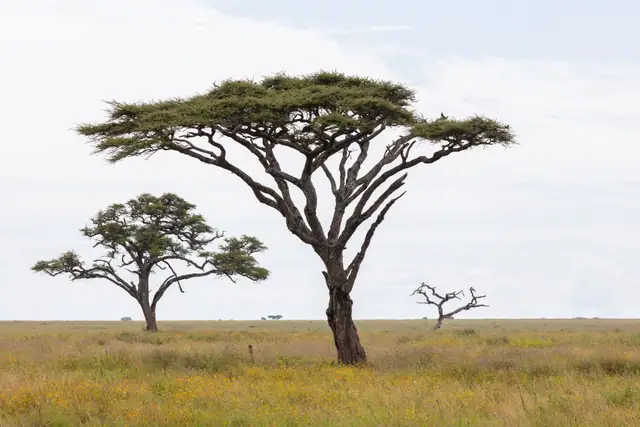
East African Savannas
Vast grasslands spanning Kenya, Tanzania, and Uganda offer exceptional soil carbon and biodiversity co-benefits.
Coastal Mangroves
Africa's 30,000 km coastline includes some of the world's most restorable mangrove ecosystems, storing up to 10x more carbon per hectare than tropical forests.
Community Stewardship
Africa has deep traditions of community land governance, creating strong foundations for long-term, community-benefit carbon projects.
Paris Agreement Alignment
54 African nations have submitted NDC commitments, creating a policy environment aligned with international carbon finance.
Market Growth
Africa's voluntary carbon market is growing at over 30% annually — the fastest-growing region globally for high-integrity nature-based credits.
Demand Is Growing. Africa Has the Supply.
150+ countries have committed to net-zero. Corporations face mandatory climate disclosure. The voluntary carbon market is forecast to grow 15× by 2030. Africa holds the largest remaining supply of high-integrity nature-based credits.
- Per tonne CO₂ (current market)
- $12–50 High-integrity nature-based credits
- Projected market by 2050
- $1.5T BloombergNEF, McKinsey
- Countries with net-zero targets
- 150+ UNFCCC NDC Registry
- Market growth forecast by 2030
- 15× Taskforce on Scaling VCMs
Corporate Net-Zero Commitments
Over 9,000 companies worldwide have committed to Science-Based Targets. High-integrity carbon credits are the primary tool for addressing residual emissions that cannot be eliminated through operational changes.
Government NDC Delivery
54 African nations have Paris Agreement NDCs requiring measurable emissions reductions. Carbon credit projects generate the verified data and revenue streams that make NDC commitments deliverable in practice.
Mandatory Climate Disclosure
TCFD, CSRD, and SEC climate rules are making emissions reporting mandatory for large companies in Europe, the US, and increasingly the UAE. Verified carbon offsets are a key compliance instrument.
Built on the World's Leading Carbon Standards
Every credit we work with is verified against internationally recognised frameworks.
- VCS
Verra Verified Carbon Standard
The world's most widely used voluntary carbon standard. VCS projects have issued over 1 billion verified carbon credits across 80+ countries.
1B+ credits issued
- GS
Gold Standard
Rigorous certification ensuring projects deliver not just carbon reductions but measurable sustainable development benefits for local communities.
3,300+ certified projects
- VM0047
Afforestation, Reforestation & Revegetation
The Verra VCS methodology used in the Mount Kenya project — a rigorous science-based framework for measuring carbon sequestration from tree planting and natural regeneration.
Used in VCS 3321
- CCB
Climate, Community & Biodiversity
Additional certification layer that verifies net positive impacts on climate, local communities, and biodiversity — the gold standard for co-benefits.
Triple co-benefit verified
- A6
Article 6 — Paris Agreement
The international compliance carbon market framework. Article 6 bilateral agreements enable sovereign carbon credit trade between nations.
Sovereign-level credits
- IFM
Improved Forest Management
Methodology for sustainably managed forests, reducing harvest intensity to increase carbon stocks above business-as-usual baselines.
Long-term sequestration
Africa's Project Landscape
Four projects — each delivering high-integrity, registry-registered carbon credits from East and Central Africa.
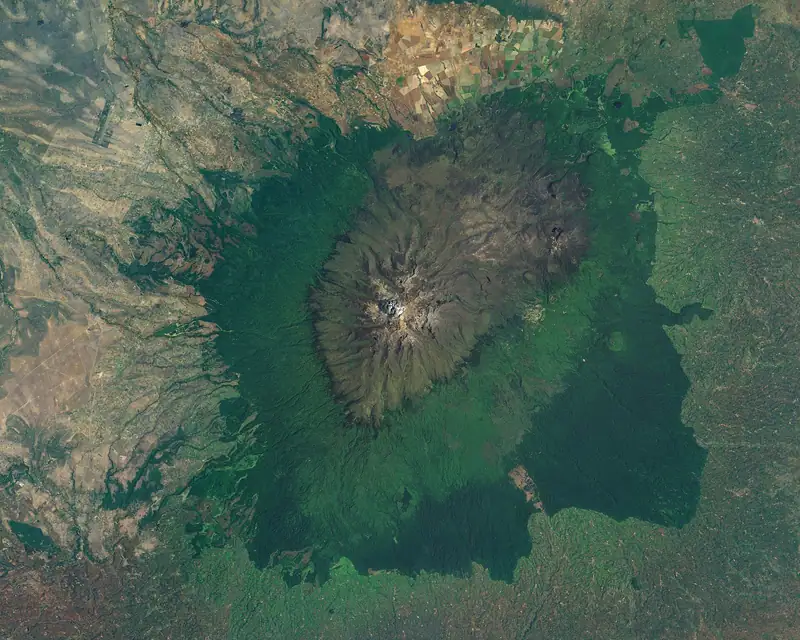
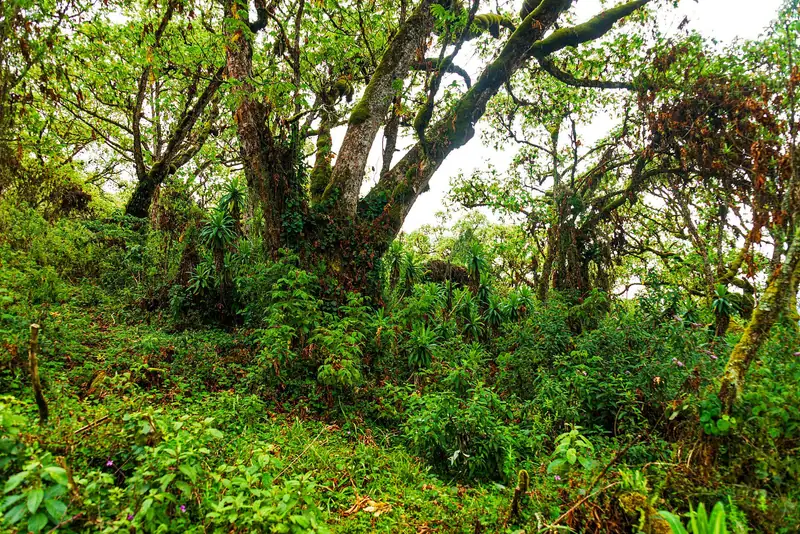
Mount Kenya from orbit: the forest belt and the farmland around it (Landsat 7) Agroforestry
Mount Kenya Regenerative Agroforestry
15,000-hectare highland restoration with smallholder farmers. Verra VCS 3321, methodology VM0047. First credit issuance 2027.
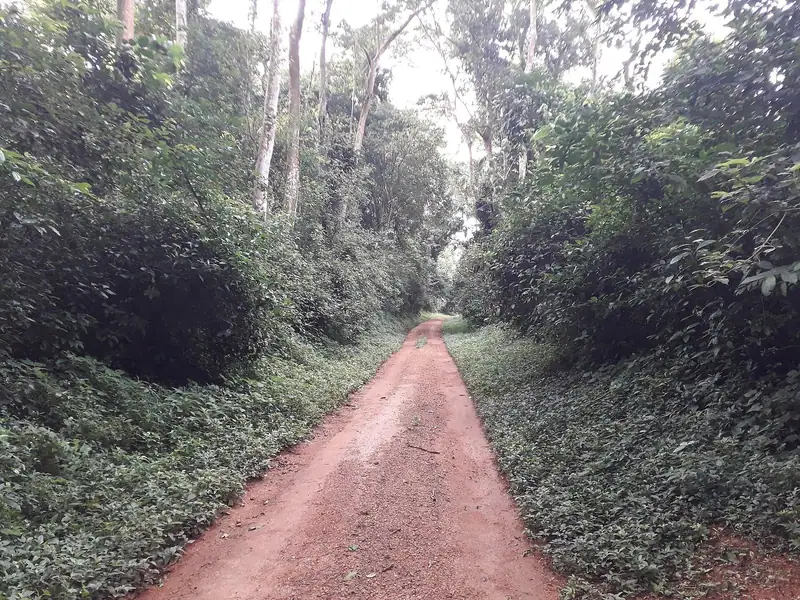
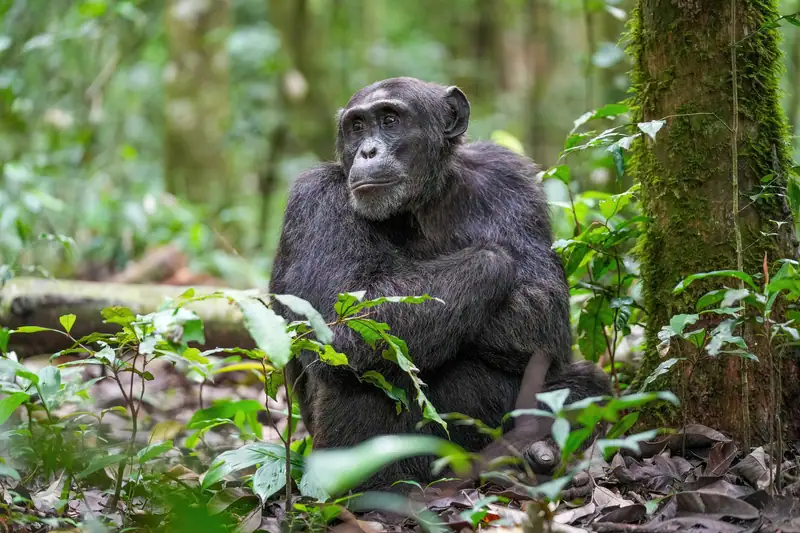
The Royal Mile track through Budongo Forest, Masindi, western Uganda Conservation Agroforestry
Bulindi Chimpanzee Conservation
22,700 hectares protecting western Uganda's chimpanzee habitat. Dual certified: Verra VCS 1571 + Gold Standard GS 12226.
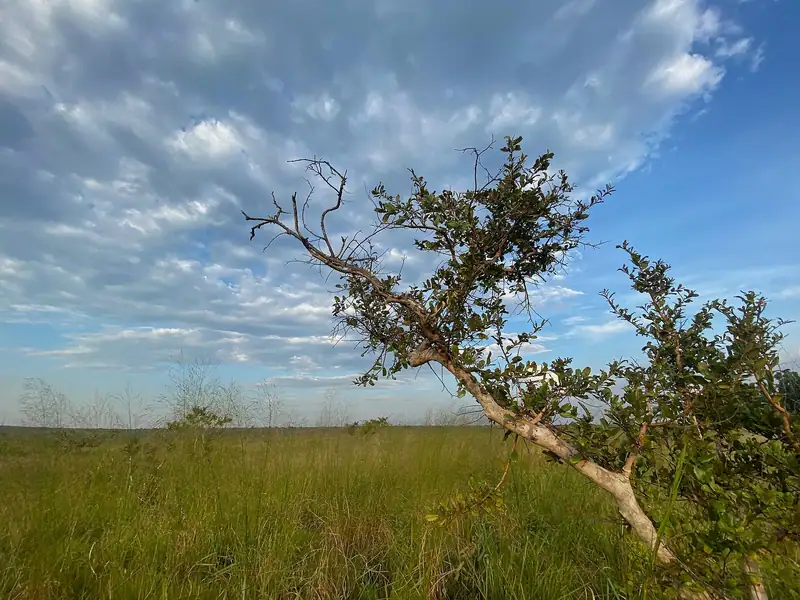
Grassland in the Bombo-Lumene reserve near Kinshasa, DRC Pipeline
DRC Reforestation Project
22,000-hectare reforestation near Kikwit, DRC. Feasibility study complete. Expected 125,000 tCO₂e/yr at registration.
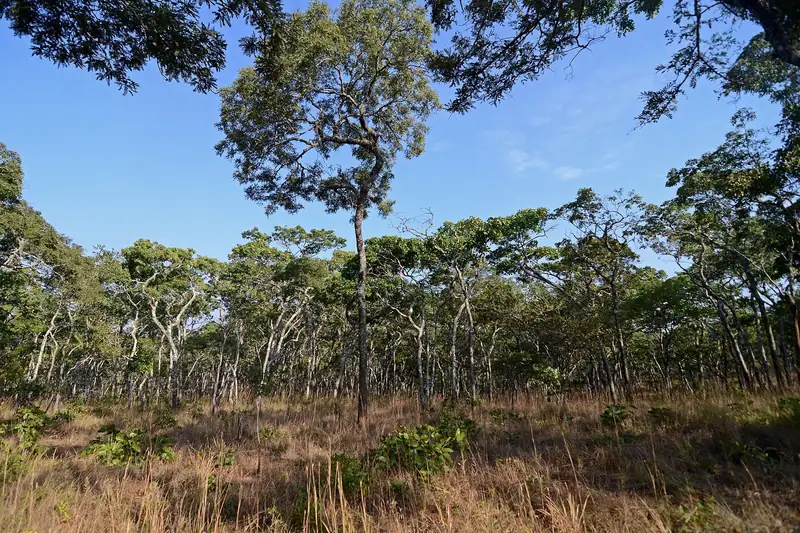
Miombo woodland in Nkhotakota Wildlife Reserve, Malawi Pipeline
Namizimu Agroforestry & Reforestation
27,980 hectares in Namizimu Forest Reserve, southern Malawi. Afforestation, reforestation and community agroforestry. In development.
Mount Kenya & Bulindi — Africa's Verified Projects
Green Earth Group operates two registered carbon projects in East Africa. The Mount Kenya Regenerative Agroforestry Project (VCS 3321) restores 15,000 hectares of highland farmland in Kenya through smallholder agroforestry, while the Bulindi Agroforestry and Chimpanzee Conservation Project (VCS 1571 / GS 12226) protects 22,700 hectares of western Uganda's chimpanzee habitat. Together they generate over 300,000 tCO₂e of verified credits annually.
- tCO₂e credits per year
- 305K
- Hectares active
- 37.7K
- Wild chimpanzees protected
- 300+
- Pipeline hectares in development
- 50K+
- Kenya Project
- Verra VCS 3321 — Mount Kenya Agroforestry
- Uganda Project
- VCS 1571 / GS 12226 — Bulindi Conservation
- Combined Area
- 37,700 hectares
- Combined Credits
- ~305,000 tCO₂e / year
- Methodologies
- VM0047 + Gold Standard AR
- Pipeline
- DRC (22,000 ha) + Malawi (27,980 ha)
Where we work across Africa
Green Earth Group operates verified carbon and nature projects in three of Africa's most biodiverse and carbon-rich landscapes.
- Active projects
- 4
- Countries
- 3
- Certification
- Verra · Gold Standard
Hover a country on the map to see project details.
Insights & Analysis
Perspectives on Africa's evolving carbon markets, project pipeline, and international frameworks.
Africa's Voluntary Carbon Market Reaches Record $4.2B in Transaction Volume
New data from Ecosystem Marketplace confirms Africa has overtaken Latin America as the fastest-growing voluntary carbon credit supplier, with nature-based carbon credits and blue carbon leading demand.
Read article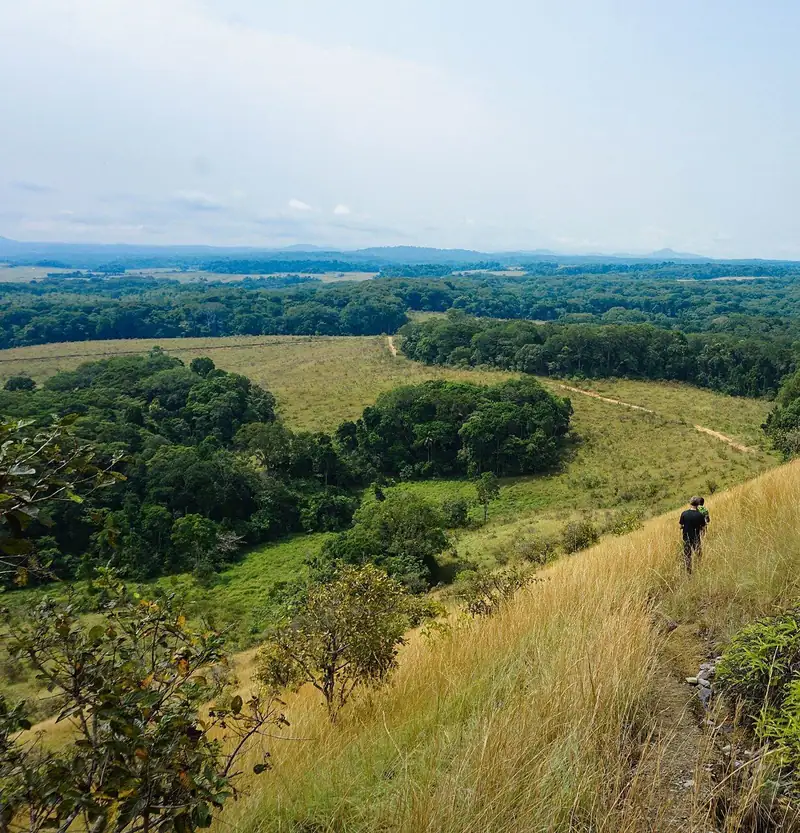
Article 6 Bilateral Agreements: Which African Nations Are Moving First?
Kenya, Ghana, and Gabon are leading the continent in signing Article 6.2 bilateral agreements, unlocking sovereign-level carbon credit exports under the Paris Agreement.
Read article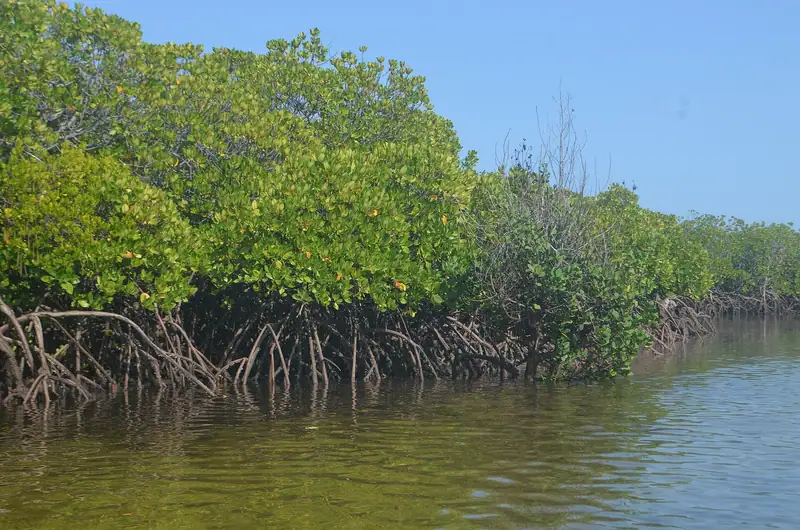
Blue Carbon Revisited: Why African Mangroves Are the World's Most Valuable Carbon Asset
A landmark study in Nature Climate Change confirms that East African mangroves sequester up to 1,000 tonnes of CO₂ per hectare — redefining the economics of coastal restoration.
Read article
Understanding African Carbon Markets
Africa holds over 65% of the world's remaining restorable land, including the Congo Basin, East African savannas, and Indian Ocean coastline. Nature-based carbon projects — reforestation, grassland management, and blue carbon — can be developed at scale with high integrity. Combined with growing demand from European CSRD-regulated buyers, Africa has overtaken Latin America as the fastest-growing voluntary carbon credit supplier.
Article 6 of the Paris Agreement allows countries to sell internationally transferable mitigation outcomes (ITMOs) to other nations or buyers. For Africa, this means sovereign-level carbon credit exports backed by government guarantees. Kenya, Ghana, and Gabon are leading in signing Article 6.2 bilateral agreements that unlock these sovereign carbon exports.
Most African carbon projects are certified under Verra's Verified Carbon Standard (VCS) or Gold Standard — the two globally recognised voluntary carbon standards. Projects in biodiversity-critical areas additionally carry CCB (Climate, Community and Biodiversity) certification, which commands a price premium from high-integrity buyers.
Africa's leading carbon frameworks require 30–50% of credit revenue to flow directly to project-area communities through verified escrow or benefit-sharing arrangements. For grassland management and REDD+ projects, this often represents the primary cash income for pastoral and subsistence farming communities.
Green Earth Group develops, registers, and commercialises nature-based carbon projects across sub-Saharan Africa. We work with community landowners, county governments, conservation NGOs, and international buyers to structure VCS-compliant projects that meet the highest standards for carbon integrity and community benefit.
Work With Us
For project developers, landowners, investors, and policy makers across Africa.
- Investors
- Discover high-integrity African carbon credit investment opportunities.
- Landowners
- Find out how your land can become a verified carbon project.
- Governments
- National and regional partnership for NDC delivery.
- Developers
- Technical support for project registration and Verra certification.